
The short answer
Heat pumps are a strong replacement option for Hayward homes, especially since Bay Area Air District rules will limit new gas furnaces starting in 2029. You don't have to replace working equipment, but planning ahead lets you choose the right system on your schedule instead of in an emergency.
If your furnace or air conditioner in Hayward is getting old, a heat pump is worth a serious look. One system heats and cools your home, runs on electricity instead of gas, and fits the direction Bay Area air rules are heading. ExpertFlow HVAC Repair Service installs heat pumps for homes across Hayward, about 13 miles west of our Pleasanton base. Every recommendation starts with your house: its size, its ductwork, its electrical service, and how you actually use heating and cooling. Here is what to know before you replace anything.
Why Hayward Homeowners Are Planning for Heat Pumps Now
Under Bay Area Air District Rule 9-4, natural gas furnaces manufactured from 2029 on must meet a zero-NOx emission standard. In practice, that points most homeowners toward heat pumps when they replace a furnace after that date.
The rules do not force anyone to tear out equipment that still works. They apply only when an existing furnace or water heater fails or is replaced. That gives you time to plan. If your furnace is aging, deciding now means you can compare options calmly, check incentives, and schedule the work, rather than making a rushed choice on a cold night when the old unit quits.
What We Check Before Recommending a System
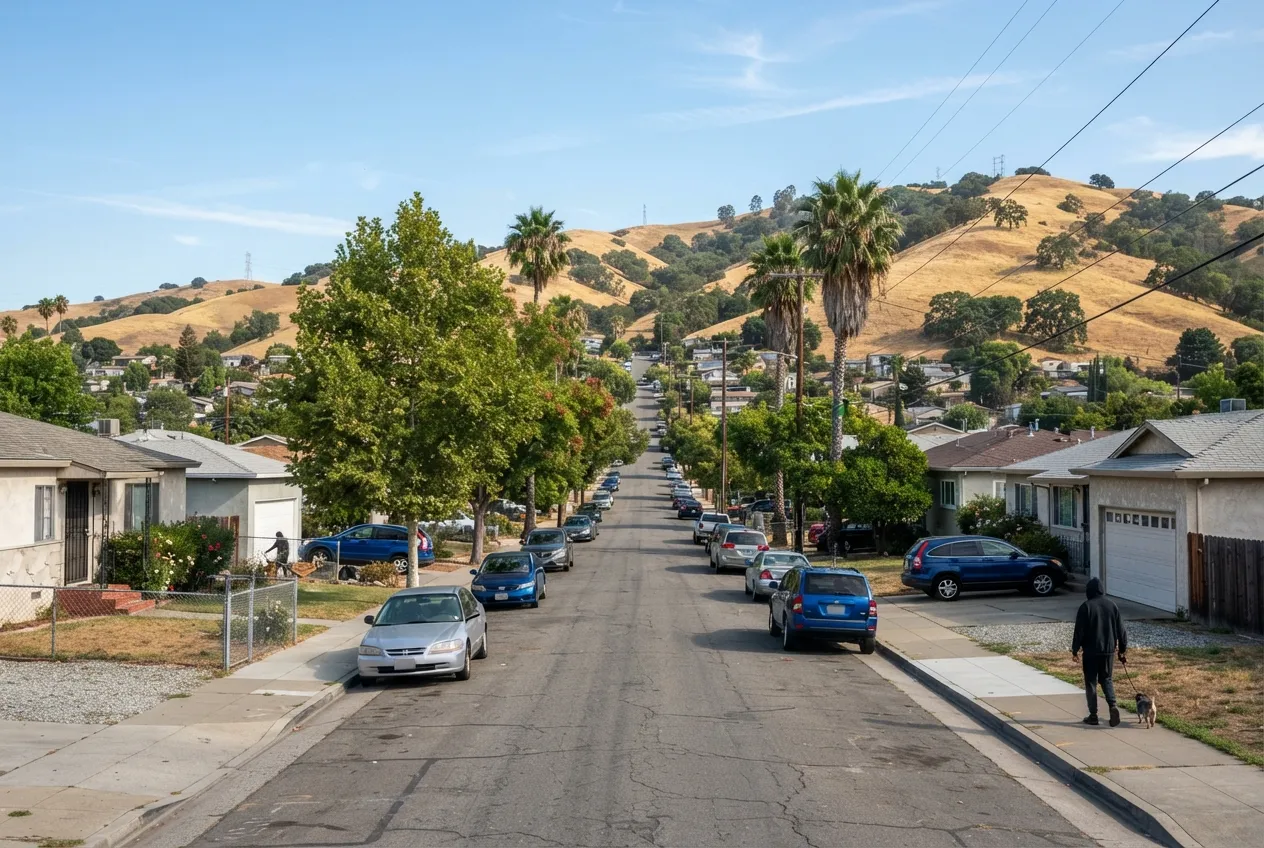
Hayward has a wide mix of housing, from older single-story homes in the flatlands to houses in the hills of the 94542 area. A heat pump that works well in one may be the wrong size or style for another. Before we quote a system, we look at the details that affect comfort and cost.
- Heating and cooling load: we size the system to your home's square footage, insulation, windows, and layout, not by matching the old unit's size.
- Existing ductwork: we check whether your ducts are in good shape, sealed, and sized to move the airflow a heat pump needs.
- Electrical panel capacity: switching from gas heat to a heat pump adds electrical load, so we confirm your panel and circuits can handle it.
- Placement: we find a spot for the outdoor unit that works for airflow, noise, and access, including on tighter lots.
- Your other gas appliances: if a gas water heater is also nearing the end of its life, we'll talk through whether to plan both changes together.
Ducted and Ductless Options
If your home already has ducts from a furnace or central air system, a ducted heat pump can often use them, sometimes with repairs or sealing. This is usually the simplest swap for homes that already have whole-house heating.
For homes without ducts, older homes heated by wall furnaces, or additions and garage conversions that never got good heating, ductless mini-split heat pumps are a practical choice. Each indoor unit serves its own room or zone, so you can heat or cool only the spaces you're using. We'll explain the tradeoffs of each approach for your specific layout so you can choose with clear information.
Incentives and Tax Credits: What's Current
The federal Energy Efficient Home Improvement Credit (25C) covered qualifying heat pumps placed in service before December 31, 2025. It is not available for new installations after that date, so don't count on it when budgeting a project now.
Local programs can still help. Hayward homeowners can check BayREN and their local clean energy provider for current heat pump and electrification incentives. Amounts and availability change by funding cycle, so we confirm the current offer before including it in any quote.
If you're thinking about replacing a gas water heater at the same time, note that the Air District's zero-NOx date for small water heaters under Rule 9-6 was set for 2027, and amendments that could delay it have been under consideration. Check the current rule before you plan that replacement, and we can help you sort out what applies.
What Installation Looks Like
Once you approve a plan, we schedule the work and explain what to expect, including any electrical upgrades or duct repairs. On installation day we remove the old equipment, set the outdoor and indoor units, connect refrigerant lines and wiring, and start up the system. Before we leave, we test heating and cooling, check airflow, and show you how to use the thermostat and settings. We also walk you through basic upkeep, like changing filters and keeping the outdoor unit clear.
Serving Hayward and Nearby Cities
We install heat pumps throughout Hayward, including ZIP codes 94541, 94542, 94544, and 94545 in Alameda County. We also serve nearby Union City, San Leandro, Newark, Fremont, and Dublin. Reach out to set up an in-home assessment, and we'll give you a clear recommendation based on your home.